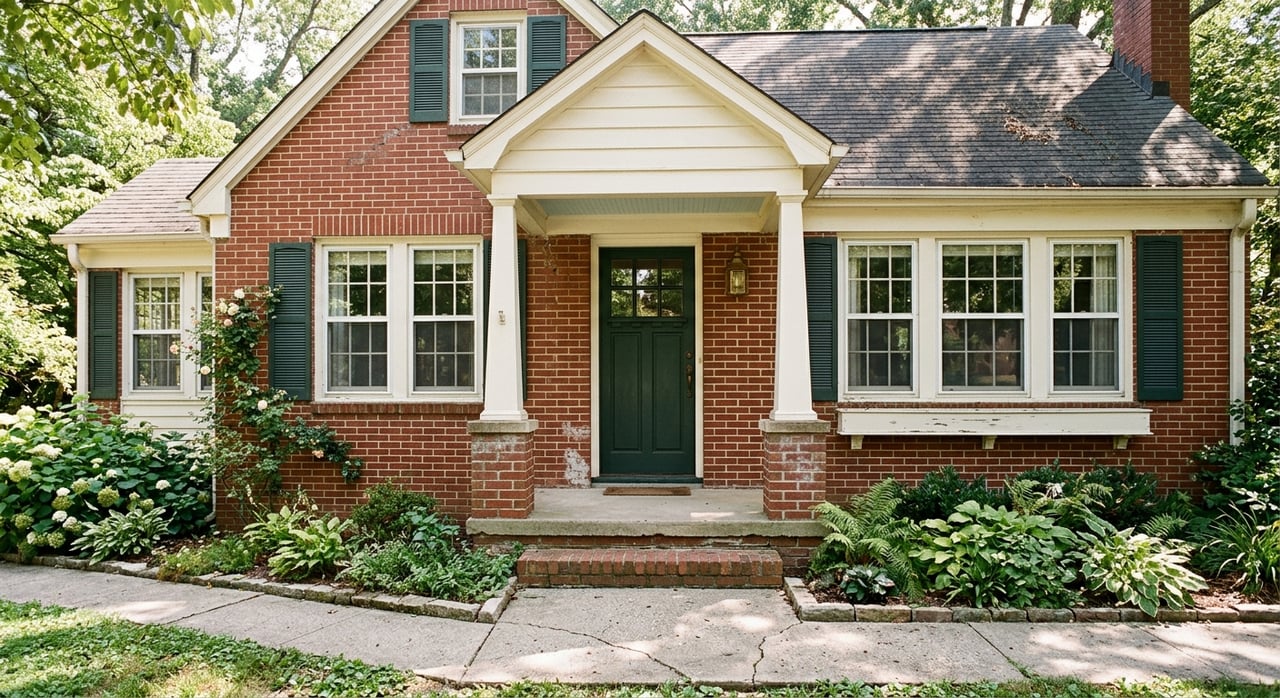
What to Review Before Buying Chattanooga Fixer Upper Homes
April 16, 2026
April 16, 2026
Thinking about buying an older home in Chattanooga because of the character, location, or value-add potential? You are not alone, and you are also right to look beyond the charm. In a city where a large share of the housing stock was built decades ago, renovation potential can range from a few smart updates to a much bigger project than expected. If you know what to evaluate before you buy, you can make a more confident decision and avoid expensive surprises. Let’s dive in.
Older homes are a major part of Chattanooga’s housing story. According to the city’s 2020-2024 Consolidated Plan, 61% of the city’s housing stock was built before 1980, and the oldest homes are concentrated in the urban core.
That matters because older homes often offer appealing architecture, established locations, and renovation upside. It also means you need to evaluate each property carefully, since aging housing can deteriorate quickly when maintenance has been deferred.
The same city report notes that housing conditions vary widely. Some homes need mostly cosmetic work, while others may have deeper issues such as outdated systems, water intrusion, or structural concerns.
Before you think about finishes, start with layout. The first question is simple: Can the current floor plan support your goals without changing the footprint?
That question matters even more in Chattanooga if you are looking at a home in a local historic district. The city reviews exterior elements such as height, scale, volume, setbacks, roof shape, facade proportions, porch projections, materials, textures, and overall visual effect through its historic zoning process.
If you can make the home work with interior updates rather than a major addition, your project may be much more straightforward. Once you move into additions, demolition, or visible exterior changes, the review process can become more involved.
A great renovation candidate is not always the one with the prettiest original details. Often, it is the house that can meet your goals with the fewest major structural or exterior changes.
A showing can tell you a lot if you know what to look for. Chattanooga’s housing plan defines substandard conditions to include incomplete kitchen or plumbing facilities, missing windows or exterior doors, severely compromised foundations, outdated electrical infrastructure, holes in floors or walls, and roof failures.
Those are not small cosmetic concerns. They are signs that the repair scope may be broader, costlier, and more time-consuming than it first appears.
The city also notes that as homes age, water infiltration can accelerate deterioration. So if you see exterior wear, do not assume it is just cosmetic. It may point to hidden internal issues that deserve closer review.
A home is not a strong renovation opportunity just because it is older or priced below nearby properties. The more practical question is whether the repair scope is likely to stay within the property’s estimated value after the work is complete.
That is consistent with how Chattanooga describes properties that are suitable for rehabilitation in its housing analysis. In other words, you want to know whether the home is a realistic rehabilitation candidate, not just a house that needs updating.
This is where practical guidance matters. You want to compare the likely scope of repairs with your budget, your timeline, and the property’s potential after-rehab value.
Some of Chattanooga’s best-known older homes are located in official local historic districts such as St. Elmo, Fort Wood, Battery Place, and Ferger Place. If the property is in one of these areas, exterior work may require a Certificate of Appropriateness, or COA, through the city’s historic zoning program.
A COA is not the same thing as a building permit. If your project includes exterior changes, you may need both approvals, depending on the work.
If you are buying for renovation potential, this is worth checking early. A house may still be a great opportunity, but your plans need to match what is actually feasible.
In Chattanooga, projects that involve new construction, ADUs, or changes to the existing footprint fall under the city’s residential building permit process. The city also requires the contractor pulling the permit to have a Tennessee contractor license and workers’ compensation documentation.
State rules also matter. In Hamilton County, Tennessee requires a home improvement contractor license for remodeling projects from $3,000 to $24,999, and a contractor’s license at $25,000 or more, according to the Tennessee Board for Licensing Contractors consumer guidance.
Before you hire anyone, Tennessee recommends that you verify license status, check complaint history, ask who will perform the work, and confirm permit requirements. That is smart advice for any renovation, but especially for older homes where hidden issues can expand the scope quickly.
Renovation plans are not just about the house itself. The lot can affect what you are able to do as well.
Chattanooga offers a public property flood-risk tool that shows flood zone information, Base Flood Elevation, Design Flood Elevation, and compliance warnings for individual properties. If a property is near streams, ponds, wetlands, or similar water resources, Chattanooga’s water-quality buffer rules can also add review requirements for land-disturbing work.
This is one of the easiest items to screen before you get too far into planning. If your renovation vision includes grading, additions, or other site work, flood and buffer issues can affect cost, timing, and design.
If the home was built before 1978, lead-safe renovation practices should be part of your due diligence. The EPA states that renovation, repair, and painting work that disturbs painted surfaces in pre-1978 homes should be performed by certified firms using lead-safe work practices under its Lead Renovation, Repair and Painting Program.
That is especially relevant in Chattanooga, where the city’s housing plan identifies pre-1980 housing as part of the potential lead-hazard stock. If sanding, scraping, or demolition is part of the plan, bring in the right professionals before work begins.
A general home inspection is a smart starting point, but it is not always enough for an older property with renovation goals. If there are signs of foundation movement, roof leaks, moisture intrusion, plumbing concerns, or electrical issues, it may make sense to bring in specialized inspectors or licensed trades before you close.
This can help you separate manageable projects from homes that may require more extensive rehabilitation than you want to take on. It can also help you build a more accurate budget and avoid underestimating the true scope of work.
Depending on the property, your team may include:
The right team gives you better information, which leads to better decisions.
When you are comparing older homes in Chattanooga, it helps to use a simple framework. Look at the home through four lenses:
Can the current layout work for your needs with reasonable updates?
Are the issues cosmetic, or do they point to major repairs involving systems, structure, or water damage?
Will your plans trigger historic review, permits, flood-related constraints, or added site requirements?
Does the likely investment make sense relative to the home’s potential after the work is complete?
When those four pieces line up, you are much more likely to have a solid renovation opportunity.
Older homes in Chattanooga can offer real value, character, and long-term upside, but only when you look at them with clear eyes. The best opportunities usually combine a manageable repair scope with a realistic path through historic rules, permits, flood screening, and lead-safe renovation requirements.
If you are weighing an older home and want practical guidance on whether the project makes sense, Melody Smith can help you evaluate the property with local market insight and construction-aware perspective.
Stay up to date on the latest real estate trends.

Work with a team of experienced real estate professionals dedicated to delivering results. We combine deep market knowledge, innovative strategies, and a client-first approach to ensure your buying or selling experience is smooth, transparent, and successful.