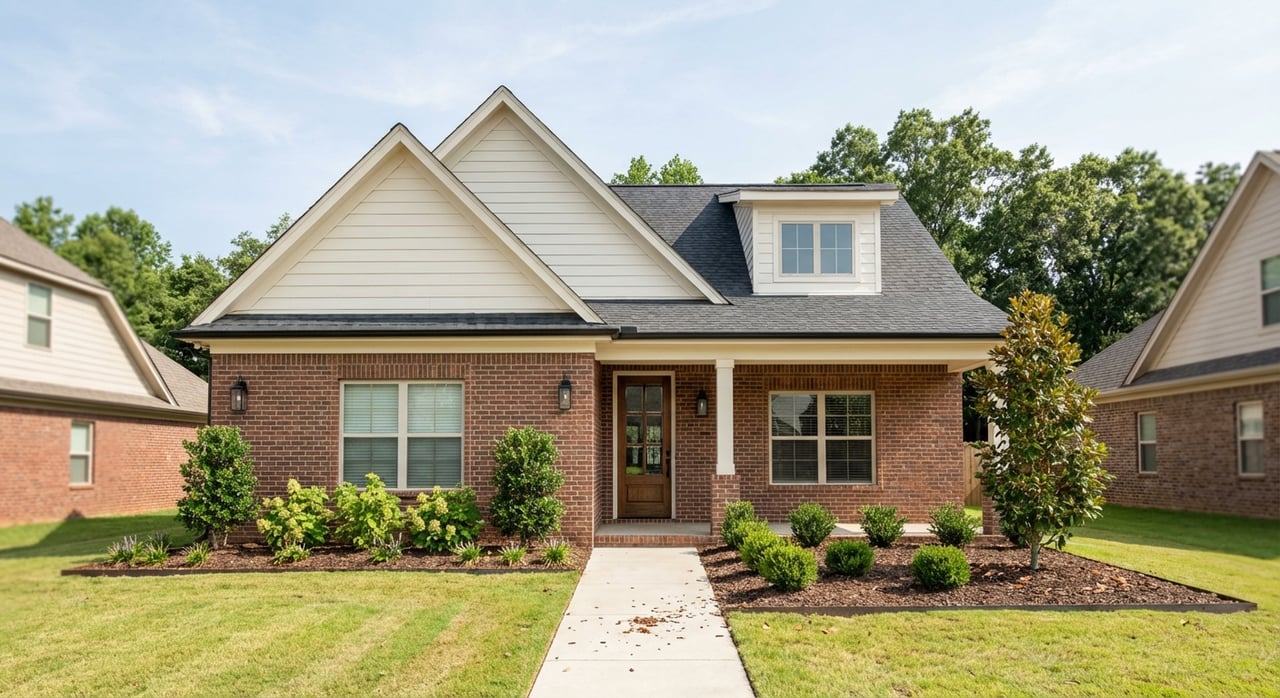
Practical Guide to New Construction Homes in Ooltewah TN
February 19, 2026
February 19, 2026
Eyeing a brand-new home in Ooltewah but not sure where to start? You want smart value, a smooth process, and a home that fits your life without surprise costs. In this practical guide, you’ll learn how new construction works in Hamilton County, what to check on each lot, how upgrades affect value, and how to plan your financing and timeline. Let’s dive in.
Ooltewah sits northeast of downtown Chattanooga, about a 17 to 20 mile drive depending on start and end points, with I-75 as the main corridor. Many buyers choose Ooltewah for newer homes and larger lots while balancing commute time to work hubs in Chattanooga and Cleveland. You can confirm the typical drive using this example route from Ooltewah to Chattanooga on Travelmath’s calculator.
Local home values often track in the low-to-mid $400k range, though exact pricing varies by community, lot features, and finish levels. Use recent neighborhood comparables to set expectations for a specific subdivision. Plan your total monthly cost with taxes in mind. In 2025, Hamilton County set a certified county tax rate of about $1.51 per $100 of assessed value; you also pay any municipal or special district levies that apply. Families often review district information and attendance zones through Hamilton County Schools when choosing a neighborhood.
New construction purchases generally fall into three paths, each with different timelines and choices.
These are builder-planned homes with set floor plans and finish packages. You pick from available lots and inventories. Move-in is often faster because many homes are complete or nearing completion.
You choose a plan, then personalize finishes at the builder’s design center. Expect a longer build than spec but shorter than full custom. Local communities offer a range of plan and finish options.
You start with a lot and a builder, then design to your needs. Custom builds typically take the longest and use a construction-style contract with unique milestones and draws.
Compare the builder’s “standard features” list to the options menu so you know what is included. Production builders usually include a basic appliance package, builder-grade cabinets, standard counters, and code-level insulation and HVAC. Semi-custom or custom builders may offer higher allowances and broader choices.
Choose upgrades with both daily use and resale in mind. National Cost vs Value data shows that curb-appeal projects and modest kitchen or bath upgrades tend to return more than large, high-end customizations. Use the top end of local comps to avoid over-improving for the neighborhood.
Negotiation often centers on lot premiums, closing cost help, interest-rate buydowns, or a design-center allowance rather than the base price. A local buyer’s agent who knows the builders can help you target the right asks.
Your loan path depends on the build type.
Ask how draws work, whether you make interest-only payments during construction, and what rate-lock or buydown options are available through the builder or lender.
Pull the FEMA Flood Map for the exact parcel and request an elevation certificate if needed. Flood zone status affects insurance, foundation choices, and long-term resale.
Steep slopes or gullies can add foundation and sitework costs. Ask for any available geotechnical reports, confirm typical site prep allowances, and discuss drainage plans. Hamilton County manages permits and inspections. Clarify which permits the builder pulls and the typical timelines before you sign.
Confirm whether the lot is on a public sewer connection or requires septic. In unincorporated areas, many homes connect through the Hamilton County Water & Wastewater Treatment Authority. If the lot needs a grinder pump or a sewer lateral extension, ask about cost and schedule impacts.
Utility providers vary by neighborhood. Confirm electric, water, gas, and broadband at the specific address before you commit. Water service in the region may come through Eastside Utility District. Electric providers vary across the corridor. Availability can affect both cost and internet speeds, so verify service early.
Review recorded subdivision covenants, HOA rules, and any design guidelines. Ask whether planned amenities are complete and if the developer still has open obligations that could lead to future assessments.
A typical single-unit home takes about 8 to 12 months from permit to completion. Production builds can finish faster, while full custom often takes longer. Weather, supply cycles, and utility extensions can add time, so build in a buffer.
Key milestones include foundation, framing, mechanical rough-ins, insulation and drywall, and final punch. Coordinate walkthroughs at each major stage and confirm who schedules inspections and who pays for any re-inspections. The local authority issues the Certificate of Occupancy at the end of the process.
Most new homes include a “1-2-10” style warranty: one year on workmanship, two years on systems distribution, and 10 years on structural coverage, often through a third-party provider. Ask for the written warranty packet, confirm the start date at closing, and diarize an 11-month walkthrough to capture first-year items.
New construction in Ooltewah can deliver space, efficiency, and everyday comfort if you choose the right lot, plan, and upgrade mix. A local, construction-savvy advisor can help you evaluate site conditions, compare builders, and protect your budget from contract to close.
If you want an expert second set of eyes on a lot, upgrades, or a builder contract, connect with Melody Smith for local guidance and a smooth, confident purchase.
Stay up to date on the latest real estate trends.
Work with a team of experienced real estate professionals dedicated to delivering results. We combine deep market knowledge, innovative strategies, and a client-first approach to ensure your buying or selling experience is smooth, transparent, and successful.