Trying to figure out where you fit in Cleveland, TN? With charming in-town streets, newer suburban neighborhoods, and wide-open acreage across Bradley County, the choices can feel overwhelming. You want a home that fits your lifestyle, budget, and daily routine without surprises after you move in. This guide breaks down neighborhood types, common home styles, lot sizes, and practical tradeoffs so you can narrow your search with confidence. Let’s dive in.
How Cleveland is laid out
Downtown and near-downtown
If you love character and convenience, the blocks around Cleveland’s central business district offer a classic grid, sidewalks, mature trees, and quick access to shops, restaurants, schools, and civic buildings. Expect smaller yards and on-street parking in spots. Some areas may have historic rules for exterior changes, so plan ahead if renovations are on your list.
Established in-town neighborhoods
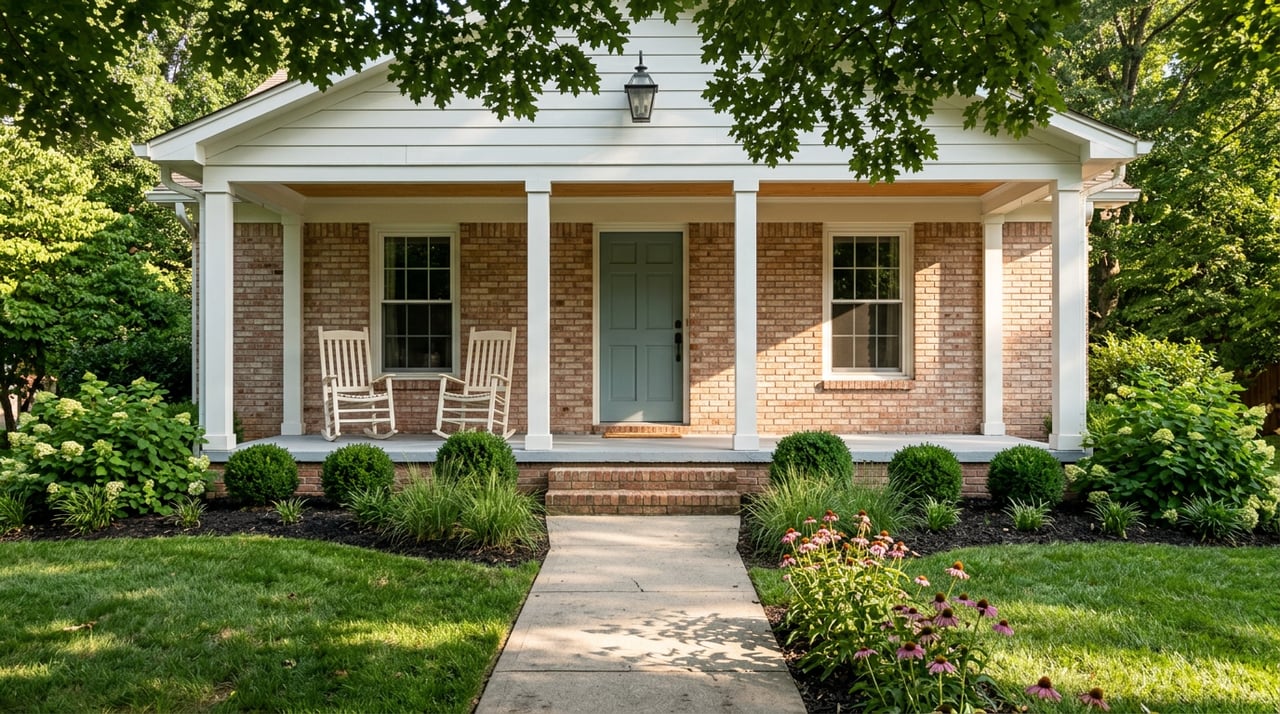
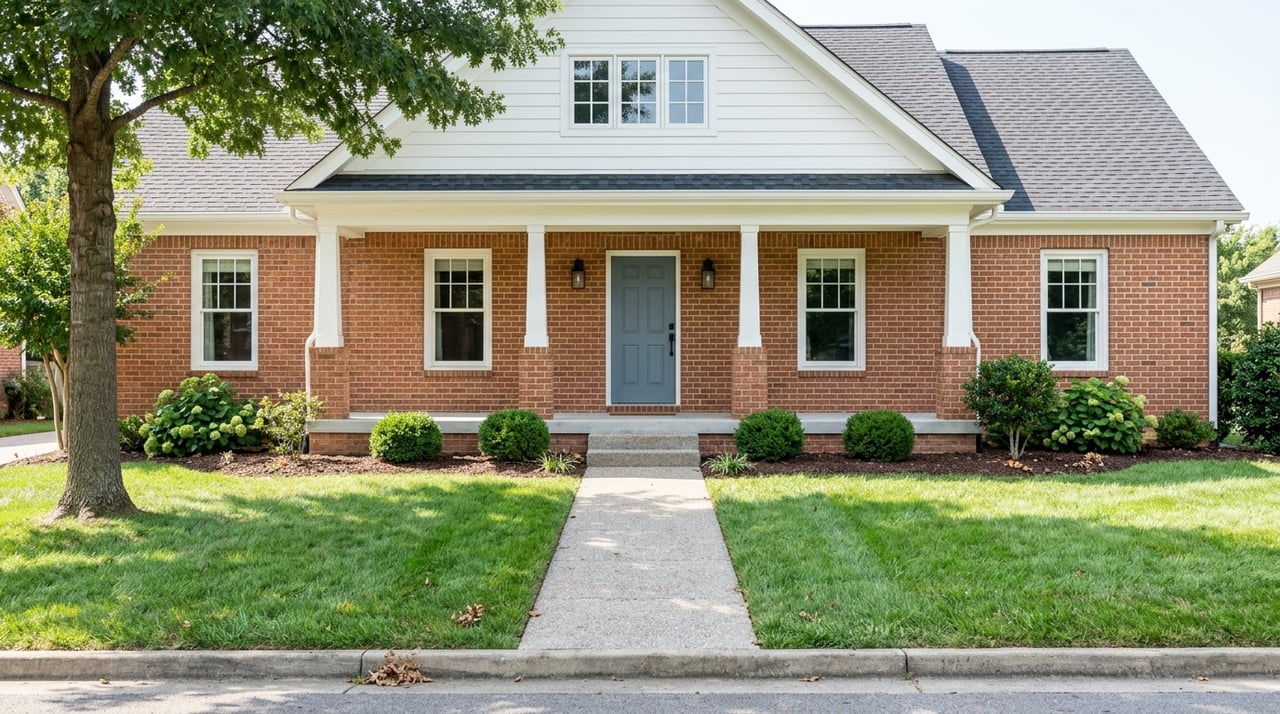
Just beyond the downtown core, you’ll find early- to mid-20th-century streets with bungalows and brick ranches. Lots are narrower than the suburbs but often come with established landscaping. These areas suit buyers who want a neighborhood feel with easy access to city services.
Post-war and mid-century pockets
Across the city, mid-century ranches and split-levels sit on larger lots than the oldest neighborhoods. Streets are more car-oriented. These homes appeal if you want one-level living or a renovation project with mature infrastructure already in place.
Suburban subdivisions and new builds
On the city’s edge and along major arterials toward I-75, you’ll see planned subdivisions with cul-de-sacs, consistent home styles, and amenities like pools, playgrounds, and walking trails. Lots commonly range from small yards to about 0.25–0.5 acres. Many communities have HOAs and newer systems that keep maintenance more predictable.
Master-planned and gated communities
While less common in Cleveland than in larger metros, select newer developments offer higher-end finishes, community amenities, and sometimes age-restricted options. Lots can be smaller or clustered by design to support shared green space and amenities.
Semi-rural and acreage living
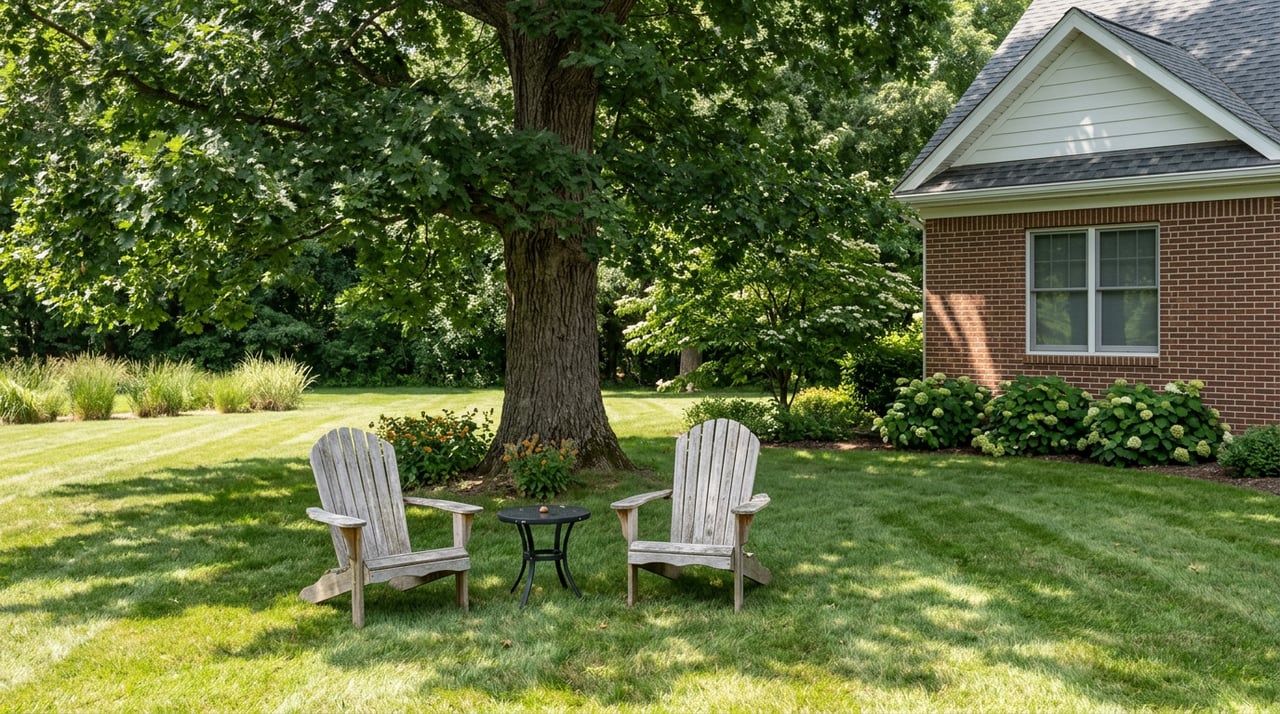
Beyond city limits in Bradley County, you’ll find homes on 1 to 20-plus acres, with room for gardens, hobby barns, and outdoor projects. Some properties may use wells and septic systems. You trade longer drives for more privacy and flexibility, so factor in utility and maintenance needs.
Townhomes, condos, and multifamily
Near retail corridors and infill sites, attached options provide smaller footprints and lower upkeep. These can suit first-time buyers, downsizers, or investors looking for simpler maintenance and potential rental opportunities.
Home styles you’ll see
Historic styles, 1900–1940
Craftsman bungalows, Folk Victorian, Colonial Revival, and simple two-story vernacular homes are common near downtown. Porches, hardwood floors, and wood trim add charm. Kitchens are often smaller by modern standards, though many have been updated.
Mid-century, 1940s–1970s
Single-story ranches and split-levels dominate these eras. Look for open living spaces for the time period, slab foundations in many cases, and carports or single-car garages. Many have been expanded or renovated.
Late-20th-century, 1980s–2000s
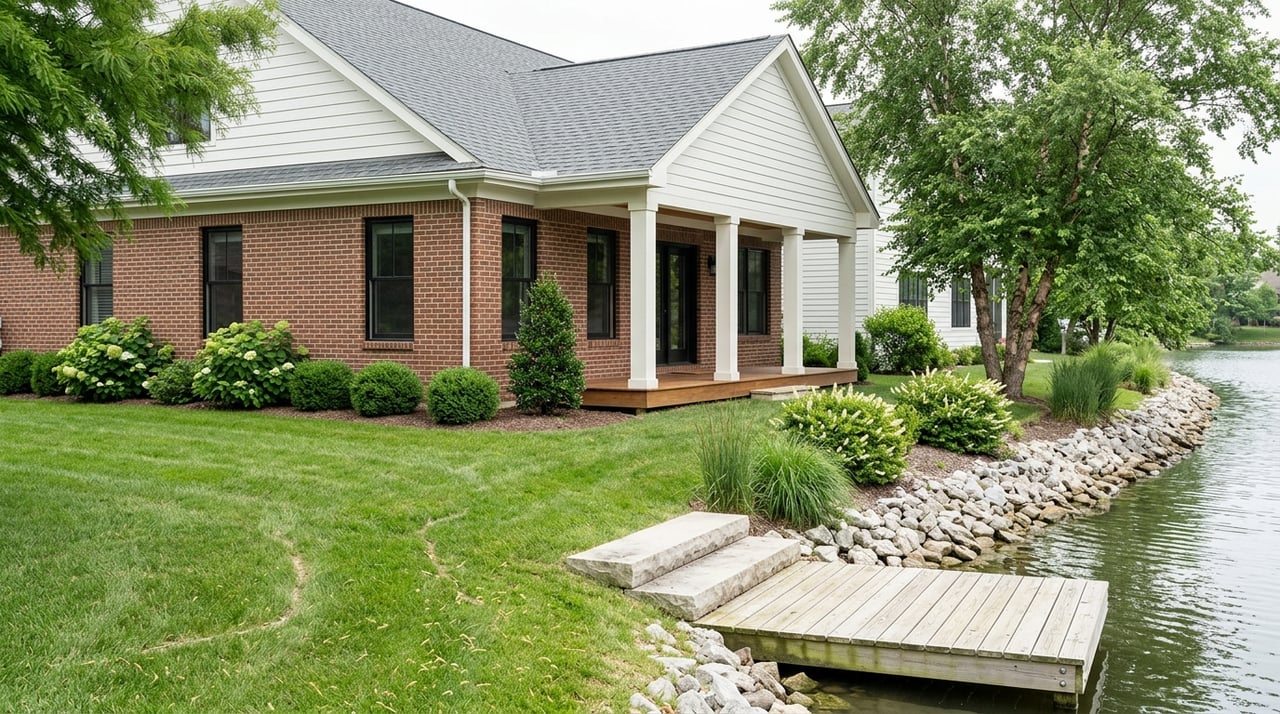
Traditional suburban designs introduce larger primary suites, two- or three-car garages, family rooms with fireplaces, and eat-in kitchens. Exteriors often feature brick veneer and vinyl siding for easier maintenance.
New construction, 2010s–present
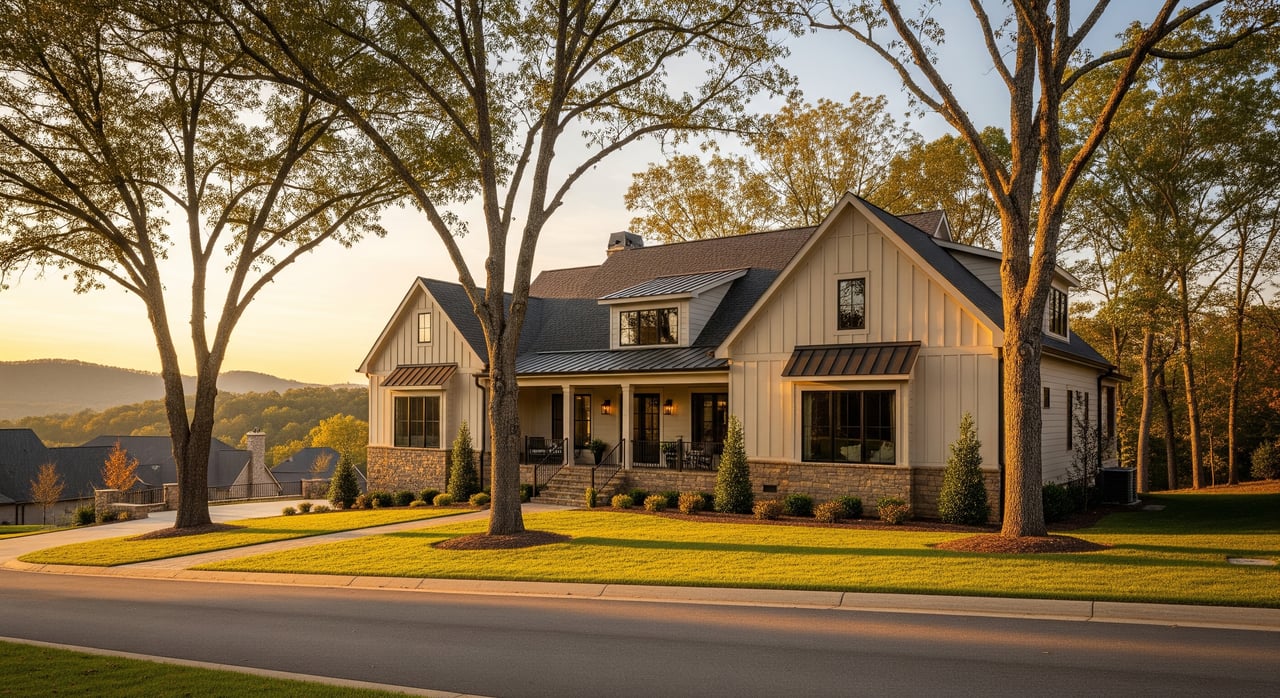
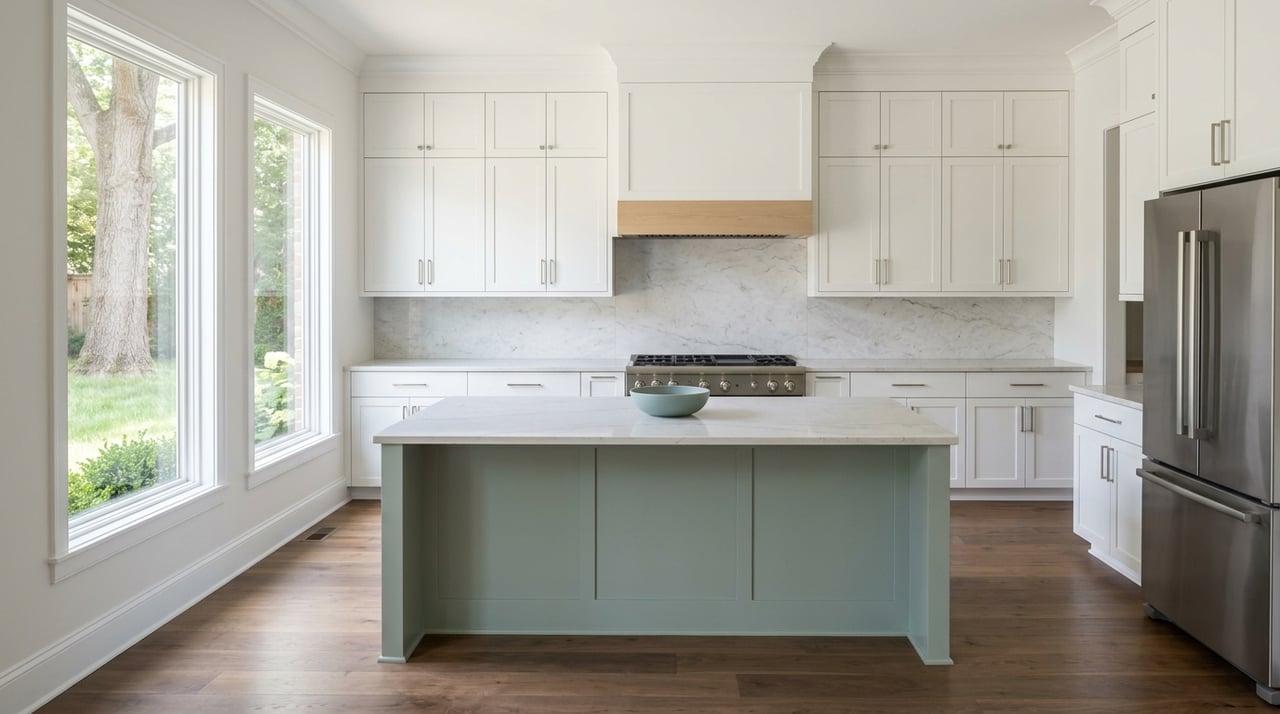
Modern farmhouse, Craftsman-inspired, and Neo-traditional styles are popular. Interiors lean open-concept with large kitchens, islands, and en-suite primary baths. Energy-efficient systems and smart-home features are increasingly common.
Manufactured and modular homes
In rural parts of Bradley County and select communities, manufactured and modular homes can offer lower-cost ownership. Verify HUD or manufacturer certifications and local placement rules before you buy.
Materials and finishes
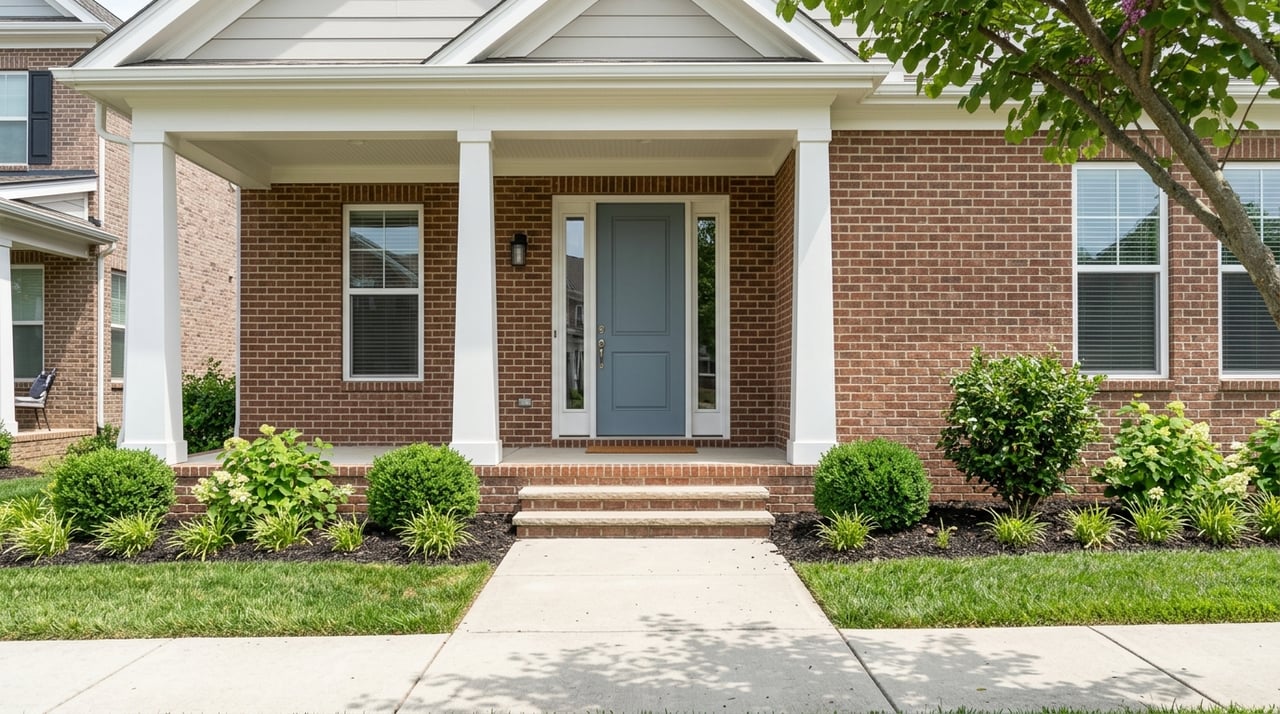
Brick remains common across Tennessee for durability and curb appeal, with fiber cement or vinyl siding and stone accents also prevalent. Roofs are often asphalt shingle. Newer homes typically emphasize low-maintenance exteriors.
Lots, utilities, and daily practicalities
Typical lot sizes
- In-town and historic: about 0.1–0.25 acres
- Suburban subdivisions: about 0.15–0.5 acres, with some larger-lot options up to 1 acre in certain developments
- Semi-rural and rural: 1–20-plus acres
- Townhomes/condos: minimal private yard with HOA-maintained common areas
Utilities and infrastructure
- Inside city limits, most homes connect to city water and sewer. Edge-of-city and rural properties may rely on wells and septic systems. Always verify by address.
- Electric providers and broadband vary by location. Some rural pockets have limited high-speed options, so check availability early in your search.
- Road maintenance can differ between city streets and county roads, which matters for winter services and long driveways.
Schools and public services
- Bradley County Schools serve most of the county, while city addresses can fall into multiple zones. Always confirm school assignments directly with the district.
- Parks, recreation centers, and library services are concentrated near the city, with most suburban residents relying on car access.
Commute and connectivity
- Cleveland is part of the broader Chattanooga metro area, and many residents commute for work. The city connects to Interstate 75 and major corridors that serve regional job centers. Travel time depends on destination and traffic, so map your typical routes.
Taxes, HOAs, and insurance
- Property tax rates vary between city and county addresses. Check the county assessor for details.
- HOA dues range from modest fees for common-area upkeep to higher fees in amenity-rich communities. Review the HOA’s rules and budget before you buy.
- Insurance costs can be affected by floodplain status, wind and hail exposure, or older systems. Review FEMA maps and property-specific factors during due diligence.
Match your lifestyle to the right area
First-time buyers and singles
- Look for: townhomes, condos, or smaller single-family homes in older in-town areas or modest subdivisions.
- Priorities: overall affordability, lower maintenance, and convenient access to shopping or major roads.
Young families
- Look for: established in-town neighborhoods near schools or newer subdivisions with sidewalks and playgrounds.
- Priorities: yard space, walkable neighborhood features, and predictable commutes.
Move-up buyers and larger households
- Look for: newer subdivisions with 4 or more bedrooms, larger lots on the city fringe, or newer custom homes.
- Priorities: larger living areas, garages, and easy access to shopping and highways.
Downsizers and retirees
- Look for: one-level ranches in quiet subdivisions, townhomes with HOA upkeep, or smaller in-town homes near services.
- Priorities: single-floor living, low maintenance, and proximity to healthcare and daily errands.
Acreage and semi-rural seekers
- Look for: homes outside city limits with 1 or more acres, remodeled farmhouses, or new builds on larger parcels.
- Priorities: privacy, zoning that fits your plans for animals or outbuildings, and well/septic viability.
Investors and second-home buyers
- Look for: rental-friendly areas with access to universities, hospitals, and major employers. If considering shorter-term rentals, check local rules first.
- Priorities: rental demand, maintenance forecasting, and clear policy compliance.
Smart due diligence checklist
- Confirm water and sewer availability or the presence and condition of well and septic systems.
- Review HOA covenants, restrictions, amenities, and current fee schedules before submitting an offer.
- Check FEMA flood maps and any local floodplain ordinances for the parcel.
- Verify school assignments and any boundary changes with Bradley County Schools and the Tennessee Department of Education.
- Map commute routes and review current TDOT projects that could influence drive times.
- Compare property tax status for city vs. county locations through the county assessor.
- Confirm electric and broadband providers for the specific address.
- For older homes, assess age and condition of roof, HVAC, electrical, and plumbing, and factor potential upgrades into your plan.
How The Smith Team helps
You deserve guidance that blends neighborhood knowledge with practical property insight. The Smith Team is a family-run, full-service residential team rooted in Cleveland. We help you compare communities, evaluate construction quality, and move forward with clarity.
What you can expect:
- Local-market authority: We know the nuances of Cleveland’s in-town blocks, suburban phases, and Bradley County acreage.
- Construction-savvy advice: With hands-on expertise on the team, we help you gauge renovation feasibility and cost-to-value tradeoffs.
- Full-service support: From consultative onboarding and staging guidance to CMAs, valuation tools, and responsive communication, we keep your process smooth.
- Broad capabilities: Residential resale, move-up suburban sales, new-construction purchases, land and farm transactions, relocation assignments, and investor-friendly deals.
Ready to map your fit and tour neighborhoods with a plan? Connect with Melody Smith for a friendly, no-pressure conversation and clear next steps.
FAQs
Which Cleveland TN areas feel most walkable near downtown?
- Downtown and near-downtown neighborhoods offer grid streets and sidewalks with proximity to shops and civic spaces, though walkability can vary block by block.
What lot sizes are typical in suburbs vs. rural Bradley County?
- Subdivisions often range from about 0.15–0.5 acres, some up to 1 acre, while rural parcels commonly span 1 to 20-plus acres; in-town lots are often 0.1–0.25 acres.
How do HOAs work in newer Cleveland subdivisions?
- Many planned communities have HOAs for common-area maintenance and amenities, with fees that vary by neighborhood and level of services.
How are utilities handled inside vs. outside Cleveland city limits?
- Most city properties connect to public water and sewer, while edge-of-city and rural homes may use private wells and septic systems; verify by address.
Are there historic districts or exterior guidelines I should know about?
- Some near-downtown blocks may have historic preservation rules that affect exterior changes; confirm with the City of Cleveland planning office before renovations.
What should I know about commuting to Chattanooga from Cleveland?
- Cleveland connects to I-75 and regional corridors, and many residents commute across the metro; drive times depend on destination and traffic patterns.
Are manufactured homes an option in Bradley County?
- Yes, especially in rural areas; confirm HUD or manufacturer certifications and local placement rules before purchase.